Entrepreneurship · 6 min read
Only paid when you win: how Micappital grew to €119M under management
An independent financial advisor that only gets paid when its clients do. How Miguel Camiña built it slowly, said no to growth at any cost, and found a second business in insurance.
Updated
Most financial advisors get paid whether you make money or not. Micappital only gets paid when you do.
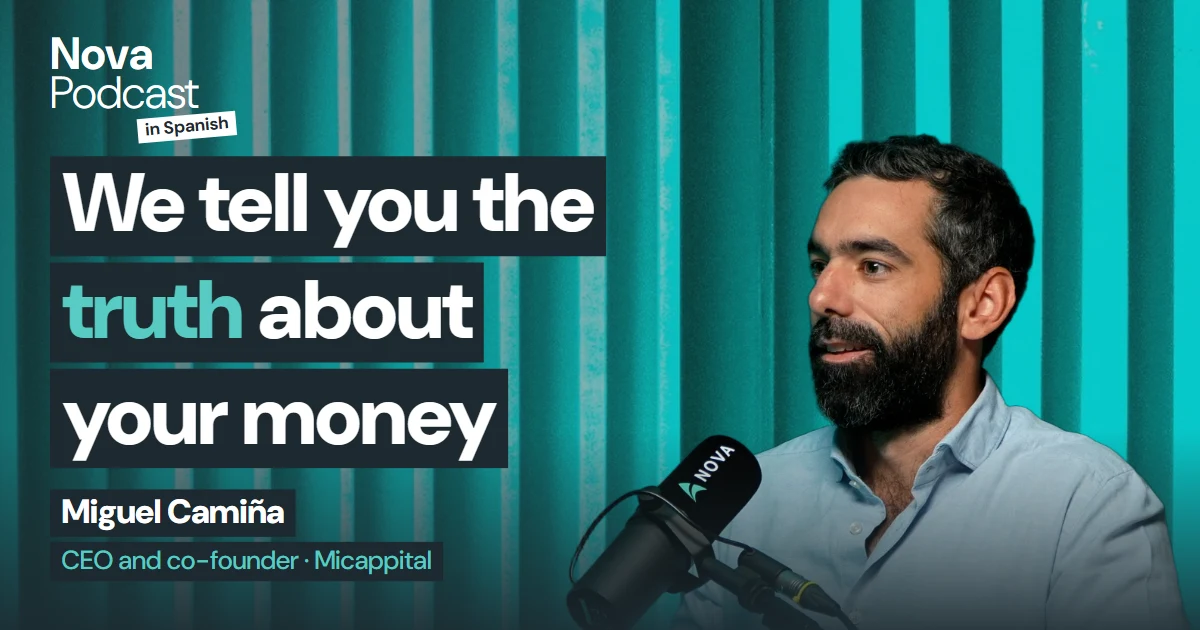
In 2016, Miguel Camiña and his co-founder Borja quit their jobs in private banking to build, together, an advisor for young professionals, with one rule: no fee in the months the client loses money. Ten years later, Micappital manages €119 million for around 3,400 clients, and 96% of them are in profit, no matter when they joined. In this episode of Nova Podcast, Ramón Rodrigáñez talks with Miguel about aligning incentives, surviving without venture capital, and the insurance business that grew almost by accident.
Watch on YouTube Listen on Spotify
If you don’t win, neither do they
In Spanish banking, advisors are often paid commissions on the products they sell. Miguel calls it the biggest conflict of interest in the sector. Micappital went the other way: a monthly subscription that it only charges if it made the client money that month, capped at €25.
“We only charge on success. We’re the only advisor in Spain doing it. It’s the way to stand on the same side as the client and say: if you don’t win, I don’t either.”
Miguel Camiña
The fee isn’t a percentage of assets either. A client with €10,000 pays the same as one with a million, so nobody gets treated as more important because they have more money.
The product matters less than your emotions
Miguel’s favorite example is Fidelity’s Magellan fund, run by Peter Lynch, one of the best-performing funds in history. Fewer than half of its investors made money, because they bought high and sold low.
“The product is very important, but having the best product, only half made money. Emotions matter much more.”
Miguel Camiña
That’s where Micappital earns its fee. In the worst week of the COVID crash, with markets down almost 18%, the team sent daily videos to clients explaining past crises. 75% of its clients put more money in that week, while a bank told Miguel it had seen half its fund assets redeemed.
You can’t have a team of only Ronaldos
Micappital likes index funds and uses them, especially for the US market. But Miguel thinks a portfolio of only index funds is like a team with eleven strikers.
“Indexa is a Ronaldo, or a Lamine Yamal. You need it on your team 100%. But if things turn around, you need Courtois stopping balls.”
Miguel Camiña
Micappital doesn’t try to predict the market. It picks a strong lineup and adapts as the game changes, which, he admits, is less attractive from a marketing point of view than promising you know what happens next.
No VCs, and no growth at any cost
The company started in October 2016, launched its first product on January 1, 2018, and raised two small rounds: €200,000 and €750,000. They pitched almost every venture capital fund in Spain. None invested.
“We used to say we were the fixed income of VCs. We weren’t going to do a 5x or a zero. Probably a 2x or 3x, but a zero was unlikely. They never liked that pitch.”
Miguel Camiña
So they raised from family offices and entrepreneurs instead, and Miguel now calls it their best decision: a VC would never have let them keep the investment business and start an insurance one. When acquisition costs jumped from around €40 to €300-400 per client after COVID, they switched campaigns off rather than grow at a loss. Today the company is at break-even.
The insurance business nobody planned
Clients kept withdrawing money to buy a home, and then asking where to get life and home insurance. So Micappital set up its own brokerage in 2022, with the same rule of advising instead of selling. It reviews every policy a client has and re-quotes it against 41 insurers two months before renewal.
It was meant for existing clients. It grew by word of mouth, without a single euro in marketing, and now bills more than the investment business. That led to the next step: buying small brokers.
“The sector is extremely fragmented. There are 5,800 brokers in Spain, and 4,500 bill under €400,000. 80% of the market is tiny and has no technology.”
Miguel Camiña
Large private equity firms buy bigger brokers at 8 to 9 times EBITDA. Micappital goes after the small ones, at around 5 times, many run by a single broker with no succession plan. Each deal is different, and some sellers become partners. Miguel calls it a job that is more human than financial.
Ten years of paying the team first
For most of these ten years, Miguel and Borja earned less than almost everyone they hired. The first two years they didn’t pay themselves at all.
“Learning has a cost too, and we’ve paid it. There’s no money in the world that could have taught us what these 10 years have.”
Miguel Camiña
What kept him going, he says, is the same thing he tells investors: think long term. Ramón, who has watched the build-up from up close in Nova’s founders group, sums it up: most companies in their situation would have closed. Micappital didn’t.
Watch the full episode
About the guest
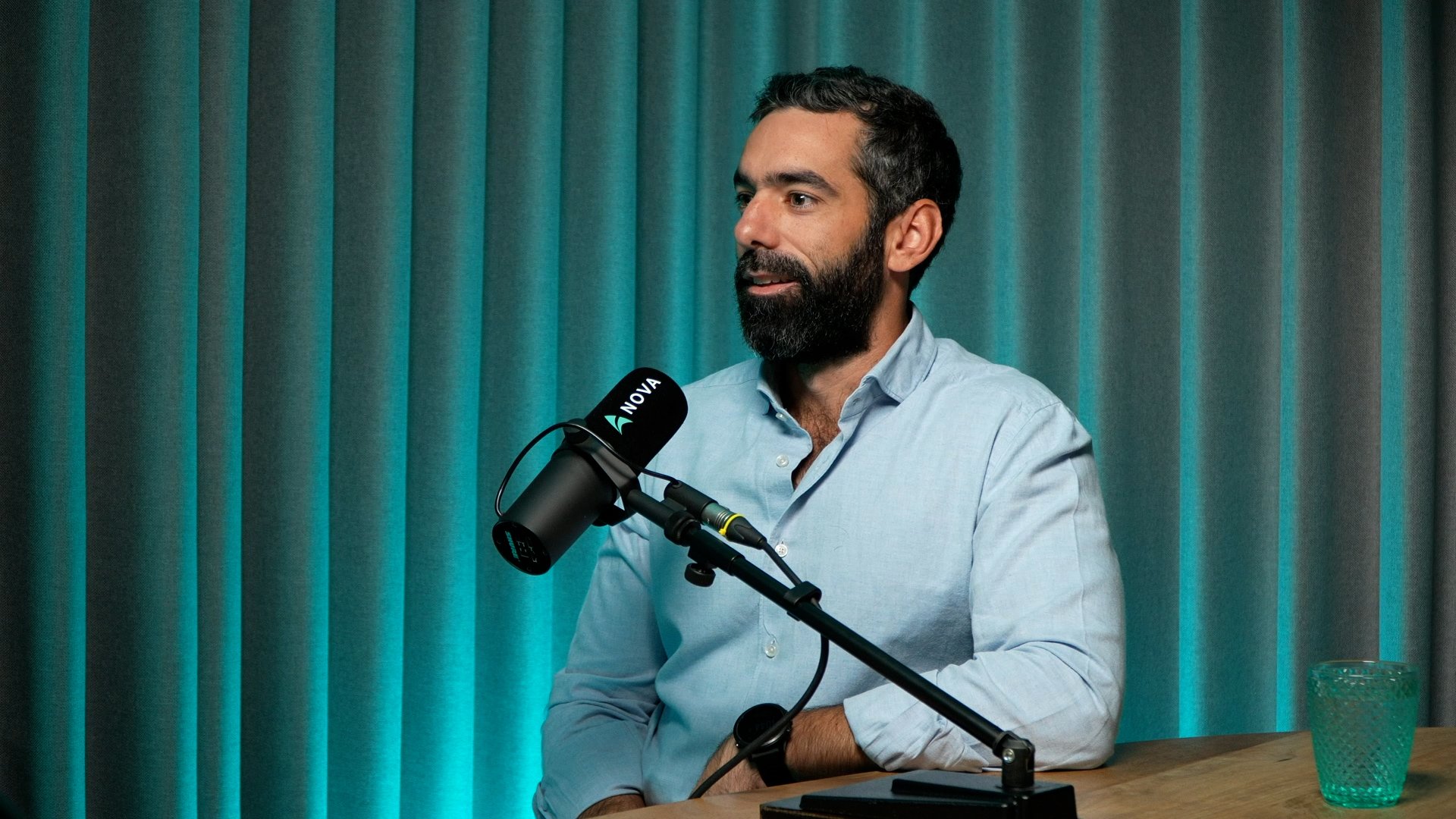
Miguel Camiña is the co-founder and CEO of Micappital, an independent financial advisory platform that only charges its clients when they make money, and of its insurance brokerage. He previously worked at Deutsche Bank, KPMG, Diana Capital and Abante Asesores. Connect with Miguel on LinkedIn.
This episode is part of Nova Podcast, hosted by Ramón Rodrigáñez, CEO and co-founder of Nova. Connect with Ramón on LinkedIn.
Frequently asked questions
Who is Miguel Camiña?
Miguel Camiña is the co-founder and CEO of Micappital. Before founding it in 2016 he worked in finance at Deutsche Bank, KPMG, Diana Capital and Abante Asesores. He is the guest on this episode of Nova Podcast, hosted by Ramón Rodrigáñez.
What is Micappital?
Micappital is an independent financial advisory platform, described by its founder as private banking for young people. It recommends the best products on the market instead of selling its own, and it manages €119 million for around 3,400 clients.
How does Micappital's success-fee model work?
It works like a monthly subscription, but before charging, Micappital checks whether it made the client money that month. If it did, it charges. If it didn't, it doesn't. The fee is capped at €25 a month.
Why is Micappital buying insurance brokers?
Its own insurance brokerage, launched in 2023, grew by word of mouth and now bills more than the investment business. The team realized its technology could run the thousands of small brokers in Spain that still work on paper or Excel, so it started buying them.