Entrepreneurship · 5 min read
'95% of founders think they have product-market fit. They don't': Philippe Gelis on Kantox
One founder, one exit, 15 years in. Why most founders are wrong about product-market fit, how to build real value, and what it takes to do it all again.
Updated
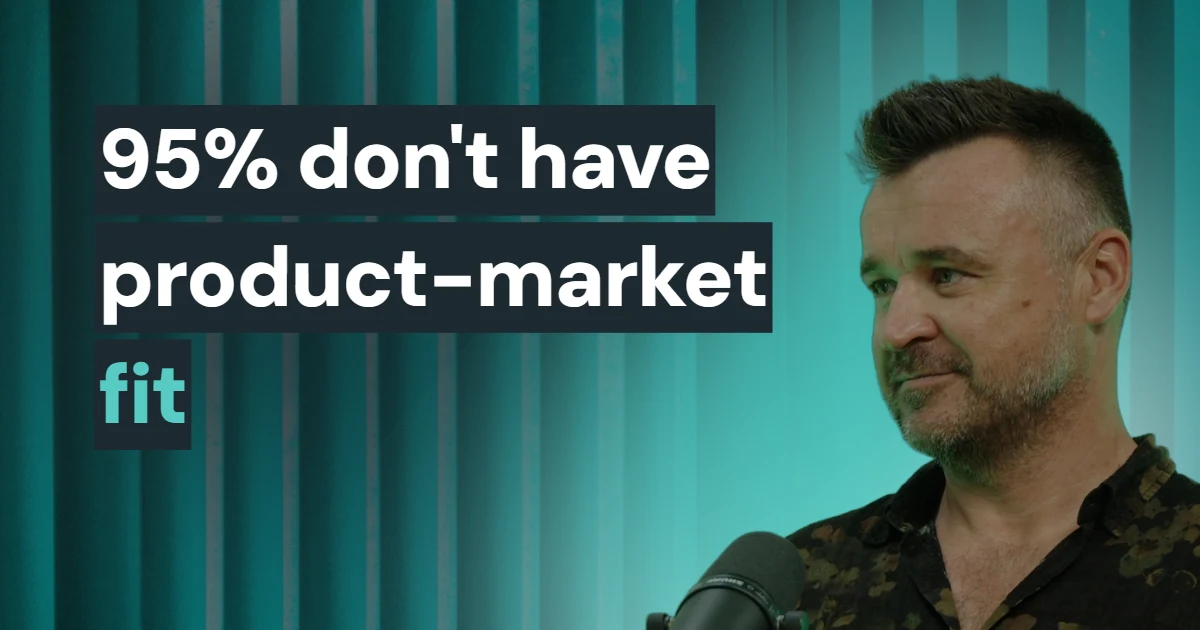
Some founders spend years chasing a milestone they think they already hit. Philippe Gelis built a fintech, grew it to billions in volume, sold it to one of the biggest banks in Europe, and came out with a blunt read on the myths founders tell themselves.
He co-founded Kantox in 2011, turned it into a profitable company that moved billions in FX, and sold it to BNP Paribas. In this episode of Nova Podcast, Ramón Rodrigáñez talks with Philippe, now co-founder and CEO of Kronopoly, his second company, about product-market fit, how to build real value, hiring, and why the experts are usually wrong about the future.
Watch on YouTube Listen on Spotify
95% think they have product-market fit. They don’t.
This is the line that frames the whole conversation. Most founders, Philippe says, are convinced they have product-market fit when they don’t. The giveaway is in the numbers: if you need a strong sales force and your conversion from conversation to signature is 1, 5 or 10%, that isn’t fit. Real fit is quieter and much more powerful.
“95% of the founders I talk to tell me they have product-market fit when they don’t.”
Philippe Gelis
Real fit, he explains, is when even average salespeople can close, because the product answers a need that is obvious to the customer. If selling is a constant uphill push, the product isn’t there yet, no matter how much money you just raised.
Build for value that lasts, not just growth
Philippe’s north star isn’t a quick exit, it’s value. He frames company-building as a 5 to 10 year question: what do I do so this has real value in the market later? Growth in the short term is fine, but if the product becomes a commodity or competition floods in, the value evaporates. You don’t sell out of desperation, you sell once the company has earned it.
“You sell when the company has proven it has value.”
Philippe Gelis
Kantox grew into a profitable fintech that moved billions in FX for companies with heavy currency flows. A multi-year partnership with BNP Paribas turned into the acquisition, in a process advised by FT Partners, one of the biggest investment banks in fintech.
Hire slow, and let go fast
One of the most practical stretches is about hiring. Philippe’s rule is counterintuitive to a founder in a hurry: go slow. Interview hard, involve several people, and require consensus. He stayed in the final interview himself, and if there was the slightest doubt from anyone on the team, they didn’t hire. A bad early hire is an enormous opportunity cost.
“Hire slow. It’s better to have a gap on the team than to have hired someone mediocre. And at the first real doubt, you have to let them go.”
Philippe Gelis
Don’t trust the experts about the future
Philippe’s sharpest piece of advice is about who you listen to. Experts, he argues, understand the past and the present of their industry, but almost never the future. So when you describe an innovative idea and the experts tell you it makes no sense, take it as encouragement, not warning.
“Experts in an industry only understand the past and the present, never the future. If you tell them your idea and they say it makes no sense, that’s a very good sign.”
Philippe Gelis
Entrepreneurship is for outliers
After 15 years and one exit, Philippe is doing it all again with Kronopoly, his second company. He is clear-eyed about what that takes. Founding a tech company is intense, draining and relentless, and very few people are actually built for it. The honesty is the point: he isn’t selling the dream, he’s describing the deal.
“Entrepreneurship is a thing for outliers. Very few people are built to start companies in tech, it’s too intense.”
Philippe Gelis
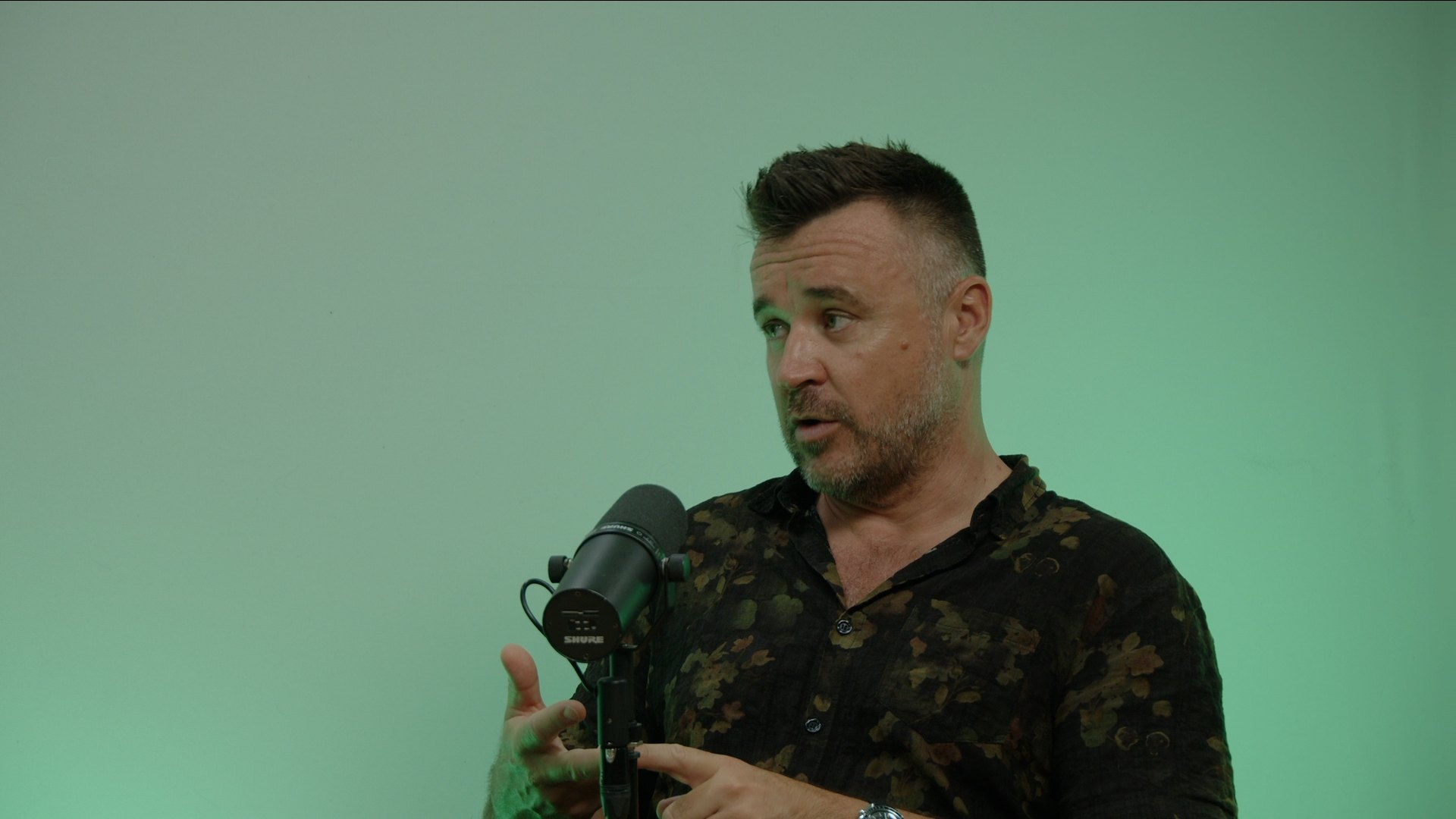
Watch the full episode
About the guest
Philippe Gelis is the co-founder and former CEO of Kantox, the FX-automation fintech he built from 2011 and sold to BNP Paribas. French and based in Barcelona, he is now co-founder and CEO of Kronopoly, his second company, and invests as an angel, including at Masía. Connect with Philippe on LinkedIn.
This episode is part of Nova Podcast, hosted by Ramón Rodrigáñez, CEO and co-founder of Nova. Connect with Ramón on LinkedIn.
Frequently asked questions
Who is Philippe Gelis?
He is the co-founder and former CEO of Kantox, a fintech he built from 2011 and sold to BNP Paribas. French and based in Barcelona, he is now co-founder and CEO of Kronopoly, his second company, and an angel investor. He is the guest on this episode of Nova Podcast, hosted by Ramón Rodrigáñez.
What is Kantox?
Kantox is a fintech that automates currency (FX) management for companies with large foreign-exchange flows. Founded in 2011, it grew into a profitable business that moved billions in FX and was acquired by BNP Paribas, the largest bank in Europe.
What is product-market fit and why does Philippe say 95% of founders get it wrong?
Product-market fit is when a product genuinely answers a strong market need. Philippe argues most founders mistake early traction or their own conviction for real fit. His test: you have fit when even average salespeople can close, because the product sells itself. If you need a strong sales force and your conversion is 1 to 10%, you don't have it yet.
When should a founder sell their company?
Philippe's view is that you sell when the company has proven it has real value, so you build from day one for value that still stands in 5 to 10 years. Kantox was acquired by BNP Paribas after years of partnership, in a process advised by FT Partners, one of the largest investment banks in fintech.